


The Ultimate Guide to Home Office Lighting for Better Focus
Share
The Ultimate Guide to Home Office Lighting for Better Focus
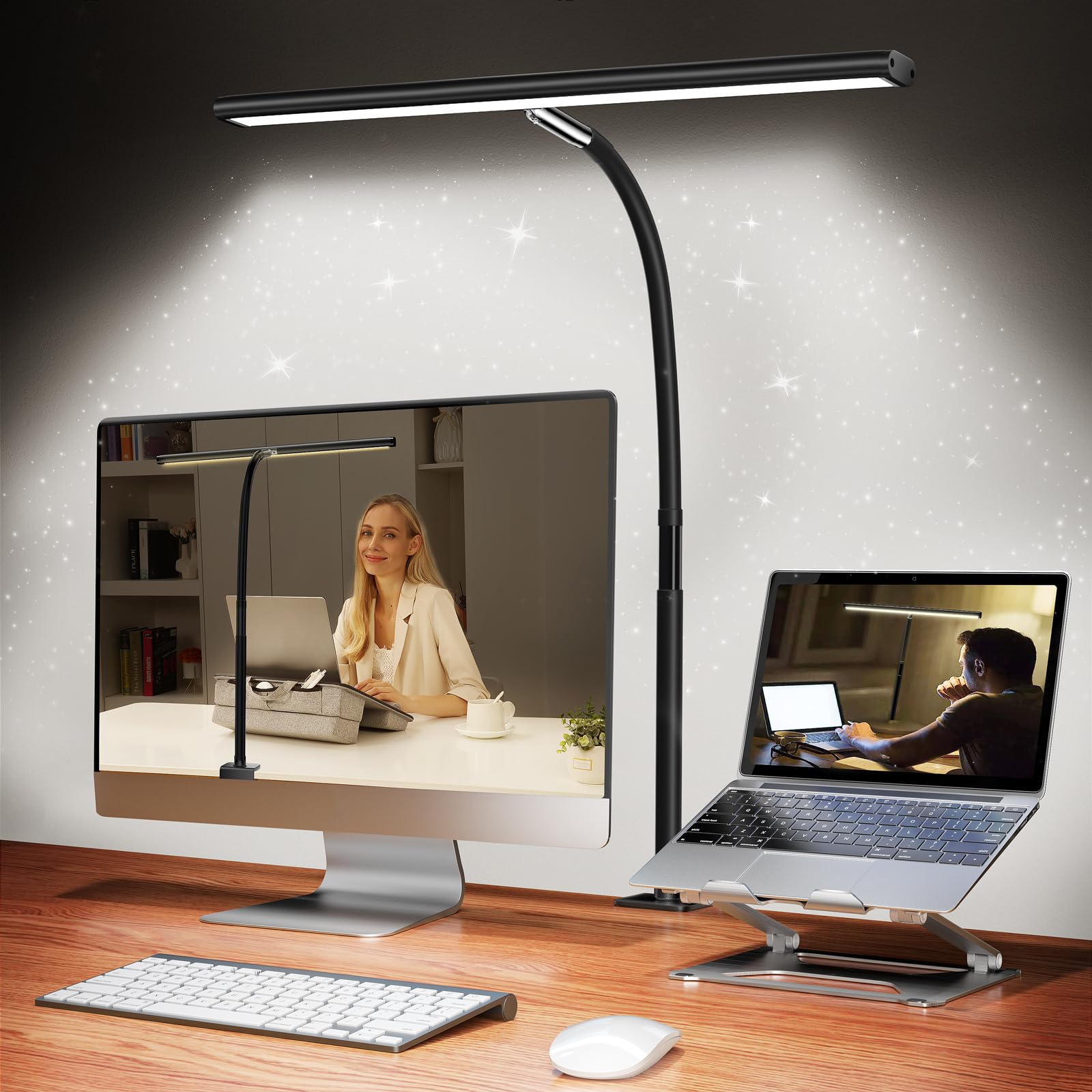


Lighting plays a crucial role in creating a productive home office environment. Poor lighting can cause eye strain, fatigue, and difficulty concentrating, while proper lighting can improve focus, comfort, and overall work performance. Whether you work from home full-time or occasionally use a home workspace, choosing the right lighting setup can make a significant difference.
In this guide, we’ll explore LED desk lamps, smart lighting solutions, and task lighting options that help create a well-balanced workspace designed for productivity and comfort.
Why Proper Lighting Matters in a Home Office
Many people underestimate the importance of lighting when setting up a workspace. However, the right lighting can improve both productivity and eye health.
Benefits of good home office lighting include:
-
Reducing eye strain during long work sessions
-
Improving concentration and focus
-
Enhancing workspace comfort
-
Supporting better posture and visibility
A well-lit workspace allows you to work efficiently without unnecessary discomfort.
LED Desk Lamps for Efficient Lighting
One of the most popular choices for home offices is an LED desk lamp. LED lamps are energy-efficient, long-lasting, and provide bright, consistent illumination.
Advantages of LED desk lamps include:
-
Low energy consumption
-
Adjustable brightness levels
-
Minimal heat generation
-
Long lifespan compared to traditional bulbs
Many modern LED desk lamps also feature adjustable arms and flexible heads, allowing you to direct light exactly where it is needed.
Smart Lighting for Personalized Workspaces
Smart lighting systems are becoming increasingly popular for home offices. These lights allow users to control brightness and color temperature through mobile apps or voice assistants.
Smart lighting features may include:
-
Adjustable color temperature (warm to cool light)
-
Remote or voice control
-
Scheduled lighting settings
-
Energy efficiency tracking
Cool white lighting is typically recommended during work hours because it helps improve alertness and focus.
Task Lighting for Better Visibility
Task lighting focuses light directly on your workspace. This is especially useful for activities that require detailed attention such as reading, writing, or working on a computer.
Effective task lighting helps:
-
Reduce shadows on your workspace
-
Provide focused illumination
-
Improve visibility for detailed tasks
Position your desk lamp so the light falls directly on your work surface without creating glare on your screen.
Combining Natural and Artificial Lighting
Natural light is one of the best sources of illumination for productivity. If possible, position your desk near a window to take advantage of daylight.
Tips for balancing natural and artificial lighting include:
-
Use curtains or blinds to reduce glare
-
Combine daylight with desk lighting
-
Avoid placing monitors directly in front of bright windows
This combination helps maintain comfortable lighting throughout the day.
Choosing the Right Color Temperature
Lighting color temperature affects how energized or relaxed you feel while working.
Common lighting temperatures include:
-
Warm light (2700–3000K) – relaxing and comfortable
-
Neutral light (3500–4000K) – balanced and natural
-
Cool light (5000K+) – bright and energizing for productivity
For most home offices, neutral or cool lighting works best during working hours.
Final Thoughts
Creating the ideal home office lighting setup can greatly improve focus, productivity, and comfort. By combining LED desk lamps, smart lighting systems, and focused task lighting, you can build a workspace that supports both efficiency and well-being.
The right lighting not only enhances visibility but also helps create a professional and comfortable environment where you can work at your best.